

Telltale Games has set a precedent in the field of narrative-driven games such as The walking deadand most of the team currently operating under the AdHoc Studio banner have proven that they still have what it takes Get it donewhich advanced the formula significantly.
All recognizable characteristics of fantastic storytelling that we have experienced A wolf among us AND The walking dead they are still here, elevated by brilliant animation and acting at the level of Hollywood’s greatest Oscar-winning productions.
Everything is in its place and even the gameplay elements have evolved into something much more fun than just quick events. However, the great narrative, subplots, and character relationships deserved much more running time, and this lack of a path significantly affects its perception and pacing, ultimately dragging down an otherwise phenomenal game.
Here’s our full review.
Superheroes, ordinary people
Get it done puts you in the shoes of Robert Robertson, aka Mecha Man, following his fall from grace following an encounter with a supervillain called Shroud. The villain has been a long-time enemy of his father, the previous Mecha Man, and the game immediately establishes a powerful bond between our hero and antagonist that permeates much of the story.
Robert is a broken, tormented and conflicted man, trying to reconcile his own unsuccessful life with the great successes of his predecessors. At a convenient moment, he is picked up by Blonde Blazer, a Superwoman-like heroine, who offers him a job at SDN, where he will work as a dispatcher for the villains-turned-heroes, i.e. Team Z (kind of like the Suicide Squad).
He must navigate a wide range of personalities and characters, from barely reformed, destructive forms of nature to those who are truly trying to grow and be better. The game plays out much like a TV show, but also like a video game, wandering between gameplay segments where you actually take on the role of a dispatcher, quick events, and dialogue choices whose consequences can significantly change the narrative.
Playing as a dispatcher is surprisingly satisfying. You have your team of heroes and send them out on various tasks, judging by the descriptions of each mission who will be best for the task. Jobs can fail or be completed successfully, and are often little stories in themselves that can have different outcomes depending on who you send – and I’m not just talking about win-lose outcomes.
Dialogue choices allow you to take full control over Robert and get him into shape. He may be a caring, aloof or downright authoritarian person, unconcerned with Team Z’s feelings and viewing them as little more than petty villains. He may fall in love with Blond Blazer or Invisigal, remain indifferent to both, and so on.
Everything Robert does is your prerogative and will change each player’s story depending on the decision they make. This opens the game to yours replayability of the gameplay because you can go back in time and make different choices, getting radically different results each time, which makes this eight-hour story a luxurious experience.
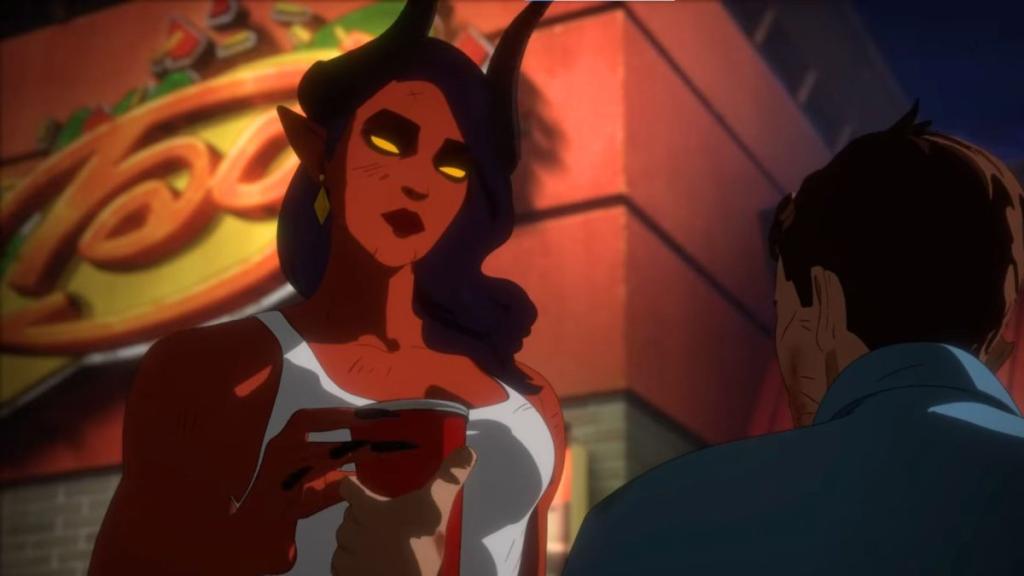
All the characters are lively, well-written, and fun to be around, no matter how grumpy, irate, or whatever they are. A lot of thought and heart was put into the script, and I’ve rarely seen characters as realistic and grounded as Team Z and others in this story.
I’m not one to get excited about superhero stories (actually, I’m not a fan at all), but Get it done it really does a great job of showing us who the people are behind the masks and capes. What’s more, each character feels distinct and distinct, and they all mesh beautifully and have tons of chemistry, which further elevates the already amazing vibes they give off individually.
However, although Get it done does an amazing job of offering fantastic gameplay, amazing writing, and a solid overall story, the game falls low of expectations when it comes to pacing and the amount of time devoted to each subplot, making a second season almost mandatory at this point.
Wasted potential (and time)
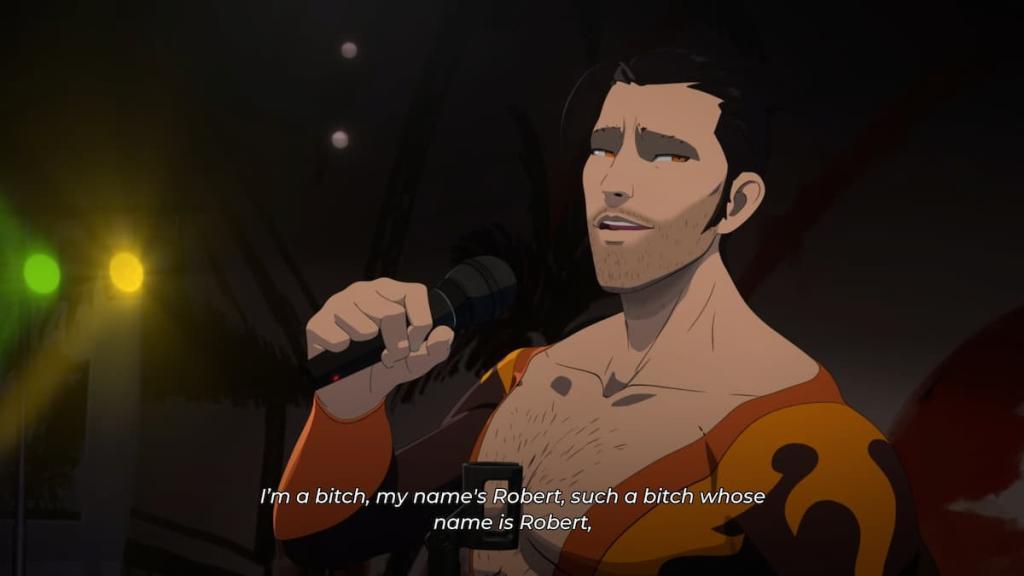
Almost everything in Get it done it’s perfect. Hell, I’d love to even see a standalone roguelike game mode that just lets me play the dispatcher minigame. It’s so humorous I can’t even describe it, and the many jokes that Team Z makes, combined with the fantastic interpersonal communication, make this mode so much more fun to play.
However, I feel like the game spent too much time on the smaller, more intricate stories and almost completely ignored the overarching narrative of Robert’s quest to become Mecha Man again and ultimately fight the Shroud. The antagonist is almost absent from the story in the first six episodes, save for his brief appearance and somewhat omnipresent nature.
The time is spent fleshing out the characters and building Team Z chemistry (as well as letting Robert decide who he falls in love with). And that’s fine and good. The writing is so amazing that every story is at least a little engaging. However, the unexpected appearance due to the apocalyptic event involving the Shroud at the very end in the last two episodes was not to my liking.
It was sudden. Too sudden. Shroud disappeared for six episodes and SOMETHING! he is now the main villain and problem. If every episode was as long and meaty as the eighth one, this game would be perfect. As things stand, the pacing is snail-paced and it lacks two good hours of story that would allow it to devote enough time to everything it wanted to say without detracting from any of the parts.
The episodes themselves are generally low. Too low. even. Some of them are just fantastic, like the fifth and eighth, but every time I got further into the game, the credits kept rolling.
I get it, these kinds of games have low stretches and it’s not like older AdHoc games didn’t have this “problem”. Push in The wolf among us for example, I never felt like I was being led into subplots that didn’t connect directly to the larger narrative. Everything that happened was connected to the Big Bad (not the wolf), but to arrange, many times we branch out and delve into side stories that don’t necessarily circle back to what’s going on with Shroud or the Mecha Man suit.
Unfortunately, these digressions take away from the main plot, and while they are good individually, they are detrimental overall.
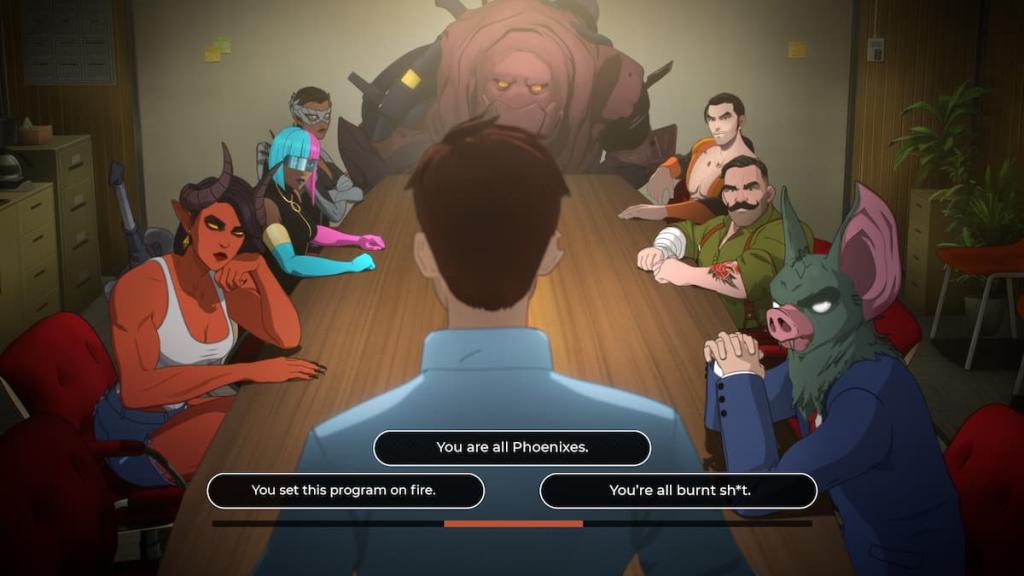
Still, I must argue that despite the time allocation and inefficiencies, Get it done consistently remains top-notch in terms of writing and gameplay quality. I never felt like one part was better or worse than the other. Sure, there were moments that were more or less tense, more or less emotional, but none of them were “worse” in terms of dialogues and narrative choices.
However, sometimes they led to results that you would not expect from the hint you received. You picked one thing and Robert said something completely different, which caused me to reload the scene several times. This is a diminutive caveat though.
Generally, Get it done it’s a great game. It has amazing characters, out-of-this-world voice acting (not least because it has the quirky Aaron Paul as Robert), and an animation and art style worthy of an Oscar nomination.
If this were a TV show, the whole world would be buzzing about it, and we in the gaming industry are more than elated to have this game in our hands, which will hopefully inspire both AdHoc and the reborn Telltale to create more games like this.

